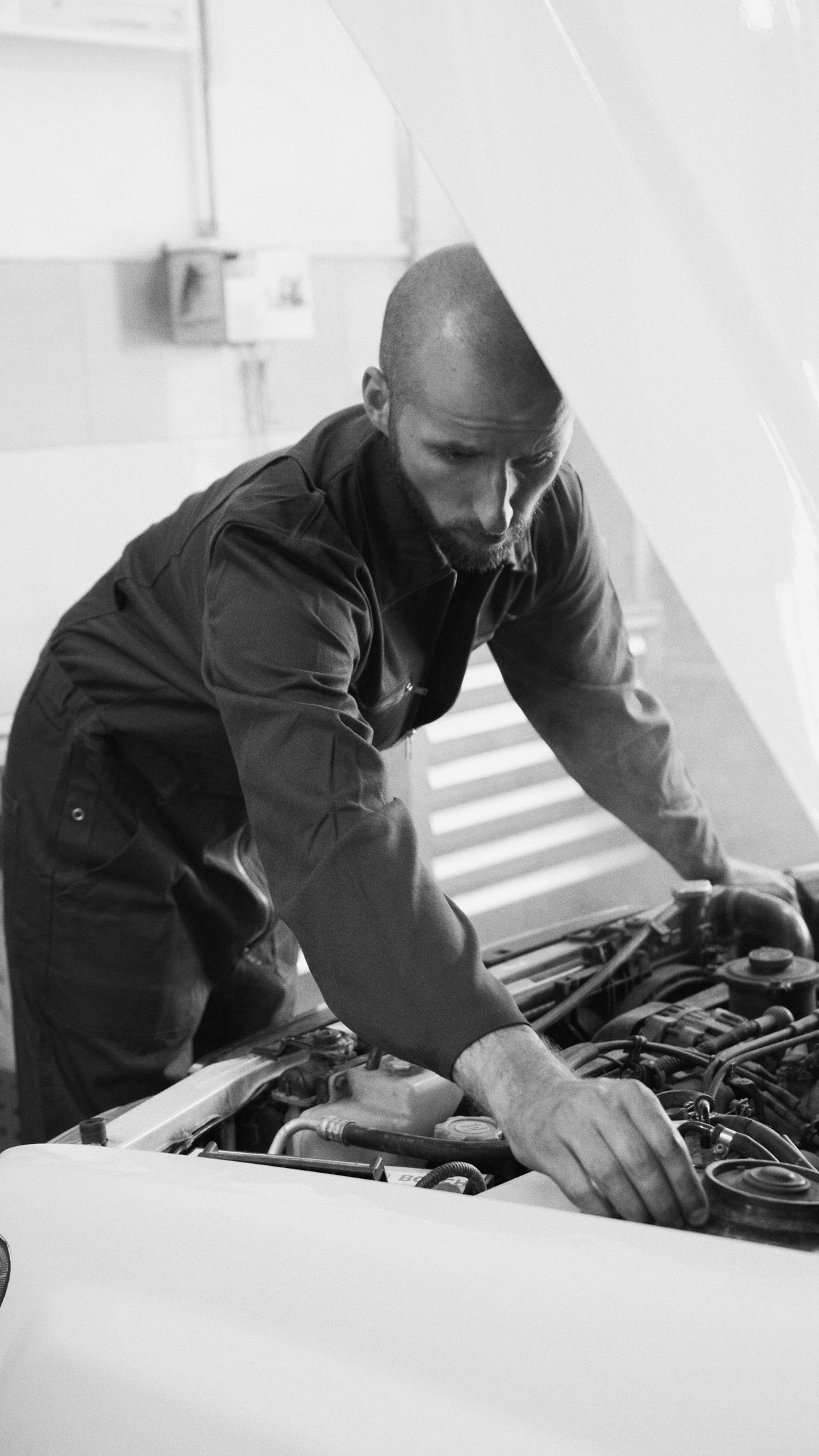
If you grew up hearing that you should let your car idle for five or ten minutes before driving, you're not alone. For decades, drivers believed warming up the engine was one of the best ways to protect it—especially on cold mornings.
But vehicles have changed dramatically over the years.
Modern engines, electronic fuel injection, synthetic oils, and advanced engine management systems have made many old driving habits unnecessary.
So, should you still warm up your car?
The answer depends on how you're warming it up.
At Eagle's Auto Repair, this is a question we hear every winter and even during cooler mornings in California. Let's take a closer look at what today's vehicles actually need.
Why People Started Warming Up Their Cars
Years ago, most vehicles used carburetors instead of electronic fuel injection.
Carbureted engines relied on mechanical systems that didn't automatically adjust the air and fuel mixture very well when temperatures dropped. As a result, engines often ran rough or stalled if driven immediately after starting.
Letting the engine idle for several minutes helped everything warm up before driving.
Today's vehicles are completely different.
Electronic fuel injection adjusts fuel delivery almost instantly, allowing the engine to run efficiently within seconds of starting.
For most modern vehicles, long warm-up periods are no longer necessary.
What Happens When You Start a Cold Engine?
Even though modern engines don't require long warm-ups, a few things still happen when you first start your vehicle.
Engine oil begins circulating throughout the engine.
Metal components expand as they reach operating temperature.
The engine computer adjusts the fuel mixture and idle speed.
Within about 20 to 30 seconds, engine oil has reached the critical components that need lubrication.
At that point, your vehicle is generally ready to drive.
Is Idling for 10 Minutes Good for Your Engine?
For most modern gasoline-powered vehicles... no.
Extended idling actually has several disadvantages.
It:
- Wastes fuel
- Creates unnecessary emissions
- Allows carbon deposits to build up
- Delays the engine from reaching normal operating temperature
Ironically, your engine usually warms up faster while driving than while sitting still.
The key is to drive gently during the first few minutes.
What's the Best Way to Warm Up Your Car?
Here's what most manufacturers recommend:
- Start the engine.
- Wait about 20 to 30 seconds.
- Drive normally—but avoid hard acceleration until the engine reaches operating temperature.
Gentle driving allows the engine oil, transmission fluid, differential, wheel bearings, and suspension components to all warm up together.
That's much better than letting only the engine idle in your driveway.
What About Cold Weather?
Even though California enjoys relatively mild winters, temperatures can still drop enough to make mornings chilly.
On cold mornings, it's perfectly fine to let your vehicle idle for a short time while you fasten your seat belt, adjust your mirrors, connect your phone, and set your navigation.
Once you're ready, begin driving smoothly.
Unless you're dealing with extremely cold climates well below freezing, lengthy warm-ups usually aren't necessary.
Does Idling Wear Out the Engine?
Many drivers assume idling is harmless.
In reality, excessive idling can increase engine wear over time because the engine operates below its ideal temperature while producing incomplete combustion.
This can contribute to:
- Carbon buildup
- Fuel dilution of engine oil
- Reduced fuel economy
That's another reason manufacturers recommend driving instead of prolonged idling.
What About Turbocharged Engines?
Turbocharged vehicles deserve a little extra attention.
The turbocharger depends on clean, properly circulating engine oil for lubrication.
After starting a cold turbocharged engine, drive gently until normal operating temperature is reached.
Avoid aggressive acceleration or high engine speeds during the first few minutes.
Doing so helps protect both the engine and the turbocharger.
Does Warming Up the Transmission Matter?
Absolutely.
Many people focus only on the engine.
However, your transmission, differential, wheel bearings, and steering components also contain lubricants that perform best after warming up.
Driving gently for the first few miles allows the entire drivetrain—not just the engine—to reach proper operating temperature.
Common Myths About Warming Up Your Car
Let's clear up a few common misconceptions.
Myth #1: Every car needs to idle for 10 minutes.
False. Most modern vehicles only need about 20–30 seconds before driving.
Myth #2: Idling warms everything up.
Not really. It primarily warms the engine. Driving gently warms the entire vehicle more effectively.
Myth #3: Revving the engine helps it warm up faster.
Definitely not. Revving a cold engine increases wear because the oil hasn't fully reached optimal operating conditions. Gentle driving is always the better choice.
How California Weather Changes the Equation
Here in Porterville and throughout California's Central Valley, our biggest challenge isn't freezing temperatures—it's extreme summer heat.
While winter mornings can be cool, they rarely require extended warm-up periods.
Instead, local drivers should focus more on:
- Regular oil changes
- Cooling system maintenance
- Battery health
- Air conditioning performance
These services have a much greater impact on long-term vehicle reliability than letting your engine idle every morning.
Trust Eagle's Auto Repair for Honest Automotive Advice
Automotive technology has changed significantly over the last few decades, and so have the best maintenance practices.
At Eagle's Auto Repair, we believe in giving our customers honest, practical advice based on today's vehicles—not outdated myths. Whether you have questions about routine maintenance, warning lights, engine performance, or preparing your vehicle for California's changing seasons, we're here to help.
Since 2011, we've proudly served Porterville and the surrounding communities with honest diagnostics, quality repairs, and dependable customer service. Our goal is to help you understand your vehicle so you can make confident decisions and avoid unnecessary repairs.
If you have questions about your vehicle's maintenance or want to make sure it's ready for the road, stop by Eagle's Auto Repair. We'd be happy to help.
Frequently Asked Questions
How long should I let my car warm up before driving?
For most modern gasoline-powered vehicles, 20 to 30 seconds is enough. After that, drive gently until the engine reaches normal operating temperature.
Is it bad to drive immediately after starting my car?
No. Gentle driving is actually better than letting the engine idle for several minutes. Just avoid hard acceleration while the engine is still cold.
Does idling waste gas?
Yes. Extended idling burns fuel while your vehicle isn't moving and generally provides little benefit for modern engines.
Should I warm up my car longer during winter?
Unless you're driving in extremely cold climates, most modern vehicles don't require lengthy warm-up periods. California drivers typically only need a short idle before driving.
Does warming up my car help it last longer?
The best way to extend your vehicle's life is through regular maintenance, quality oil changes, proper fluid services, and gentle driving while the engine reaches operating temperature—not long periods of idling.
Questions about your engine?
Stop by Eagle's Auto Repair for honest, practical advice.
📞 Call (559) 854-7087