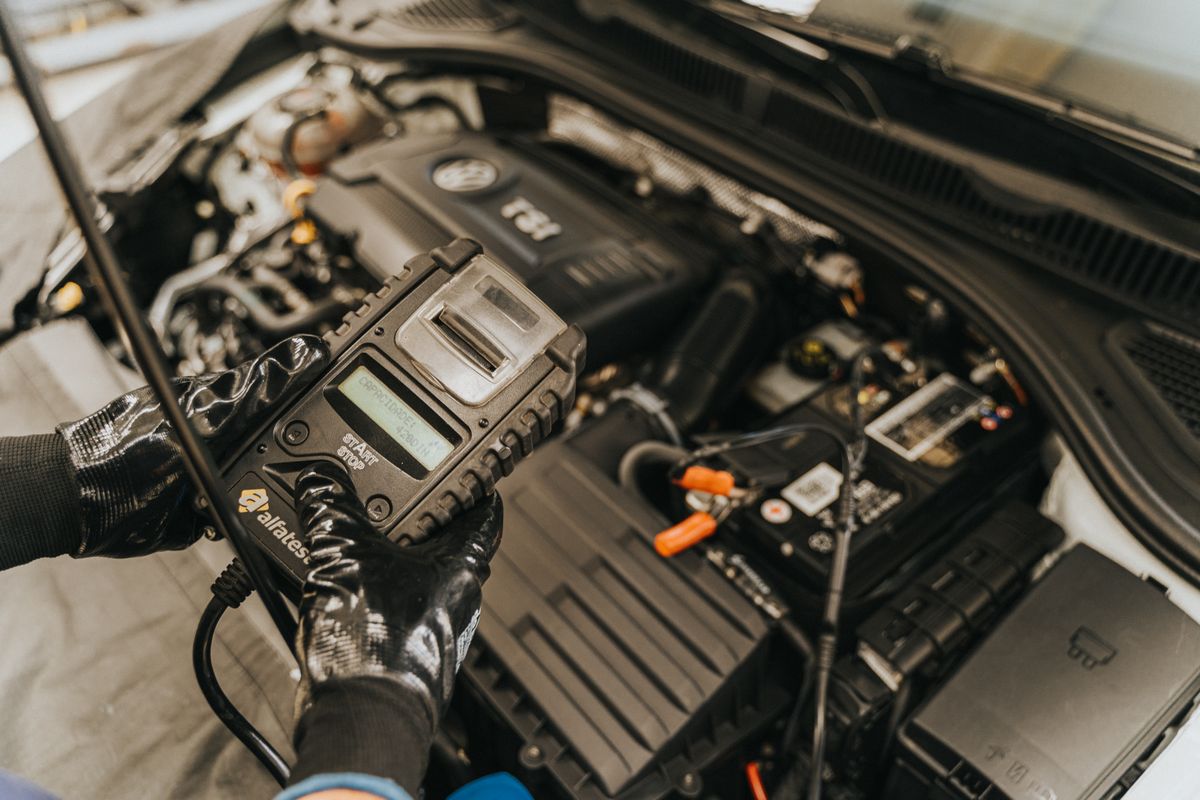
One of the biggest misconceptions about car repairs is that they happen all at once.
In reality, most major repairs start as minor problems.
A small coolant leak becomes an overheated engine.
Worn brake pads become damaged rotors.
A tiny oil leak turns into engine damage.
At Eagle's Auto Repair, we've seen it happen countless times. The customers who save the most money aren't necessarily the ones who spend the most on maintenance—they're the ones who address problems before they become emergencies.
If you pay attention to these seven common repairs, you can often avoid much larger repair bills down the road.
1. Brake Pads Before They Damage the Rotors
Brake pads are designed to wear out.
Brake rotors are not.
When brake pads become too thin, the metal backing plate begins grinding against the rotor. Instead of replacing only the brake pads, you may now need:
- New brake pads
- New brake rotors
- Additional labor
That's a repair that can easily cost much more than replacing the pads alone.
Watch for these warning signs:
- Squealing brakes
- Brake warning light
- Longer stopping distances
- Vibrations when braking
The sooner your brakes are inspected, the better.
2. Small Coolant Leaks Before They Cause Engine Damage
Your cooling system keeps your engine operating at a safe temperature.
A leaking hose or loose clamp might not seem like a big deal today...
But if coolant gets low enough, your engine can overheat.
Overheating can lead to:
- Blown head gaskets
- Warped cylinder heads
- Engine damage
- Complete engine replacement
A simple cooling system inspection could save thousands of dollars.
Signs to watch for:
- Sweet smell
- Green, orange, or pink fluid under the vehicle
- Rising temperature gauge
- Low coolant reservoir
3. Oil Leaks Before They Become Engine Repairs
A few drops of oil on your driveway might not seem urgent.
Unfortunately, oil leaks rarely fix themselves.
As the leak worsens, your engine can lose lubrication, causing excessive wear on critical internal components.
Low oil levels may lead to:
- Increased engine wear
- Overheating
- Timing component damage
- Complete engine failure
Small leaks are usually much easier—and less expensive—to repair than major engine damage.
4. Check Engine Lights Before They Multiply
Many drivers continue driving for weeks—or even months—with the Check Engine Light on.
Sometimes it's a minor issue.
Other times it's the beginning of something much larger.
A failing ignition coil today could become a damaged catalytic converter tomorrow.
An inexpensive sensor could eventually cause poor fuel economy and additional engine problems.
Ignoring warning lights rarely saves money.
Diagnosing them early usually does.
5. Tire Alignment Before You Buy New Tires
Wheel alignments are one of the most overlooked maintenance services.
Driving with poor alignment causes your tires to wear unevenly.
Instead of getting 50,000 to 60,000 miles from your tires, you may need replacements much sooner.
Even worse, improper alignment can also increase wear on steering and suspension components.
If you notice:
- Vehicle pulling
- Crooked steering wheel
- Uneven tire wear
have your alignment checked before your tires pay the price.
6. Suspension Problems Before They Affect Everything Else
A worn ball joint.
A leaking strut.
A loose tie rod.
These components often wear gradually, making the changes easy to ignore.
However, suspension problems don't stay isolated.
As one component wears, it places additional stress on nearby parts, leading to uneven tire wear, poor handling, steering issues, and additional suspension repairs.
Routine inspections help catch these problems before they snowball.
7. A/C Problems Before the Compressor Fails
Here in Porterville, air conditioning isn't just a luxury—it's a necessity.
If your A/C starts blowing warm air, many drivers simply keep adding refrigerant.
Unfortunately, if the system has a leak, adding refrigerant only masks the real problem.
Eventually, low refrigerant forces the compressor to work harder, increasing the risk of compressor failure.
Replacing a leaking seal or hose is almost always less expensive than replacing the compressor and cleaning the entire A/C system.
If your A/C isn't cooling like it used to, don't wait until the hottest day of summer.
Why Small Repairs Become Big Repairs
Think of your vehicle like your own health.
Ignoring a small toothache can eventually lead to a root canal.
Ignoring a tiny coolant leak can eventually lead to an engine replacement.
Vehicles usually give plenty of warning before major failures happen.
The key is listening.
Unusual sounds. Warning lights. Fluid leaks. Vibrations. Changes in performance.
These are your vehicle's way of asking for attention.
Routine Inspections Save Money
One of the smartest investments you can make isn't a repair.
It's an inspection.
Regular inspections allow technicians to identify worn components before they fail completely.
That means:
- Smaller repair bills
- Fewer unexpected breakdowns
- Longer vehicle life
- Better fuel economy
- Improved safety
Preventive maintenance almost always costs less than emergency repairs.
Don't Wait for a Breakdown
Many people don't visit a repair shop until something goes wrong.
Unfortunately, by then, the repair is often larger—and more expensive—than it needed to be.
Staying ahead of maintenance gives you more options, more time to plan, and greater confidence every time you get behind the wheel.
The goal isn't just fixing vehicles.
It's preventing unnecessary repairs whenever possible.
Eagle's Auto Repair Believes in Fixing Problems Early
At Eagle's Auto Repair, we believe honesty starts with helping our customers avoid expensive repairs—not creating them.
That's why we take the time to inspect your vehicle carefully, explain what we find, and prioritize repairs based on safety and urgency. If something can wait, we'll tell you. If something needs immediate attention, we'll explain why.
Since 2011, we've proudly served Porterville and the surrounding communities with honest diagnostics, quality repairs, and dependable customer service. Our mission is simple: help you protect your investment by catching small problems before they become major ones.
If you've noticed unusual noises, warning lights, fluid leaks, or changes in the way your vehicle drives, don't wait for the problem to get worse.
Stop by Eagle's Auto Repair and let us help you stay ahead of costly repairs.
Frequently Asked Questions
Is preventive maintenance really less expensive than repairs?
Almost always. Replacing worn parts before they fail completely is typically much more affordable than repairing the damage they cause later.
What warning signs should I never ignore?
Brake noises, overheating, Check Engine Lights, fluid leaks, burning smells, unusual vibrations, and steering changes should all be inspected as soon as possible.
How often should my vehicle be inspected?
A professional inspection at least once a year—or before a long road trip—is a great way to identify developing problems early.
Can a small oil leak become a serious problem?
Yes. Even minor oil leaks can worsen over time, leading to low oil levels, increased engine wear, and expensive engine repairs if left untreated.
Why does Eagle's Auto Repair recommend inspections instead of waiting for something to break?
Because catching problems early almost always saves our customers money. Our goal is to help you keep your vehicle reliable, safe, and on the road—not surprise you with avoidable repair bills.
Noticed a warning sign?
Stop by Eagle's Auto Repair before a small problem becomes a big bill.
📞 Call (559) 854-7087