You've probably been standing at the gas pump wondering the same thing many drivers ask:
Should I pay extra for premium gas?
With gas prices constantly changing, it's tempting to think that spending more at the pump automatically means better performance, better fuel economy, or a longer-lasting engine. Some drivers even believe premium gasoline is healthier for every vehicle.
The truth is much simpler.
For most vehicles, using premium gasoline when it isn't required won't provide noticeable benefits. In some cases, it may simply cost you more money without improving performance.
At Eagle's Auto Repair, this is one of the questions we hear all the time. Let's separate fact from fiction and help you choose the right fuel for your vehicle.
What Is Premium Gas?
Gasoline is measured by its octane rating, which indicates how resistant the fuel is to premature combustion, commonly called engine knock or pinging.
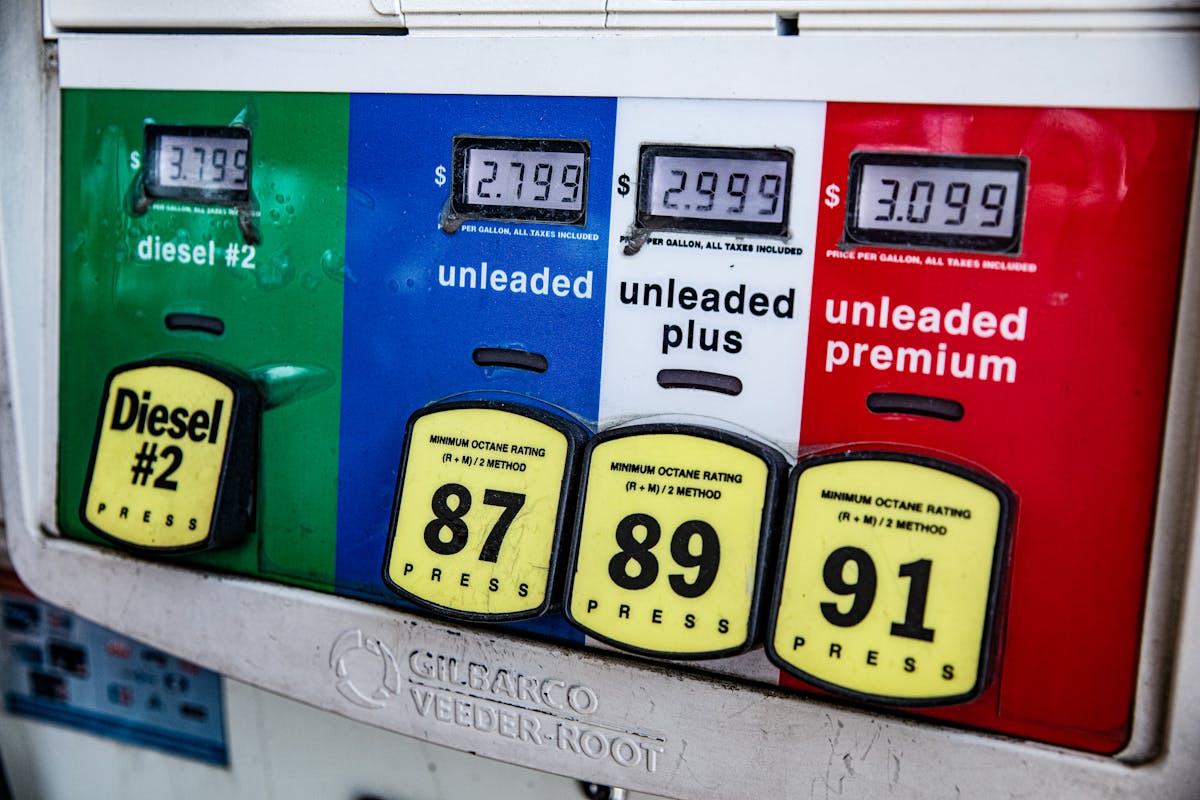
In most parts of California, you'll find three grades of fuel:
- Regular: 87 Octane
- Mid-Grade: 89 Octane
- Premium: 91 Octane
The higher the octane rating, the more resistant the fuel is to knocking under high pressure.
What premium fuel does not do is contain more energy or automatically make your car more powerful.
Does Premium Gas Give You More Horsepower?
The answer depends on your vehicle.
If your vehicle was designed to run on premium gasoline, then yes—it may produce better performance because the engine's computer is calibrated for higher-octane fuel.
Examples include many:
- Luxury vehicles
- Sports cars
- Turbocharged engines
- High-performance V8 engines
However, if your owner's manual recommends regular 87-octane gasoline, switching to premium usually won't increase horsepower, improve acceleration, or make your engine last longer.
Your engine simply isn't designed to take advantage of the higher octane.
Will Premium Gas Improve Fuel Economy?
This is one of the biggest misconceptions.
Many drivers believe they'll save money because premium gas provides better mileage.
For vehicles designed for regular gasoline, the improvement is usually so small that it doesn't offset the higher cost per gallon.
In other words, you often spend more money without seeing meaningful savings.
The best way to improve fuel economy isn't buying premium fuel.
It's maintaining your vehicle properly.
Clean air filters, proper tire pressure, regular oil changes, and correct wheel alignment all have a much greater impact on fuel economy than switching fuel grades.
What Happens If I Put Premium Gas in a Car That Doesn't Need It?
The good news is: nothing harmful.
Your vehicle won't be damaged by using premium gasoline if it only requires regular fuel.
It also won't magically become faster or more efficient.
Think of it this way: putting premium fuel into an engine designed for regular gasoline is like buying running shoes for someone who never plans to run a marathon.
They're nice to have—but they don't change the job they're designed to do.
What If My Vehicle Requires Premium Fuel?
This is different.
If your owner's manual says "Premium Fuel Required," it's important to follow that recommendation.
Using lower-octane gasoline may cause:
- Reduced engine performance
- Lower fuel economy
- Engine knocking
- Less responsive acceleration
Many modern vehicles can automatically adjust engine timing to protect themselves, but you'll usually notice reduced performance.
Over time, repeatedly using lower-octane fuel than recommended may not provide the driving experience the manufacturer intended.
Premium Recommended vs. Premium Required
Many owners overlook an important difference.
Some manufacturers say Premium Recommended. Others say Premium Required.
If premium is recommended, your vehicle can usually operate safely on regular gasoline, although you may notice a slight reduction in performance.
If premium is required, you should continue using premium fuel to ensure proper engine operation.
Always check your owner's manual or the sticker inside the fuel door if you're unsure.
Will Premium Gas Clean My Engine?
Some premium fuels contain additional detergent additives that help reduce deposits inside the fuel system.
However, thanks to federal regulations, all gasoline sold in the United States must contain detergents that help keep engines clean.
While certain fuel brands may advertise enhanced cleaning packages, simply choosing premium fuel isn't a substitute for regular maintenance.
Keeping up with oil changes, replacing air filters, servicing spark plugs, and addressing Check Engine Lights promptly does far more to protect your engine.
What Really Improves Engine Performance?
If you want your vehicle to perform its best, focus on maintenance—not just fuel grade.
Some of the biggest performance improvements come from:
- Regular oil changes
- Clean engine air filters
- Proper tire inflation
- Healthy spark plugs
- Fuel system maintenance
- Correct wheel alignment
- Timely engine diagnostics
These services help your vehicle operate the way it was designed.
How to Know Which Fuel Your Car Needs
The easiest way is to check:
- Your owner's manual
- The sticker inside the fuel door
- Manufacturer recommendations
If your vehicle recommends regular gasoline, there's usually no reason to spend extra on premium.
If your vehicle requires premium, it's best to continue using it.
When in doubt, ask a trusted mechanic.
Trust Eagle's Auto Repair for Honest Advice
At Eagle's Auto Repair, we believe every customer deserves straightforward answers—not sales pressure.
Whether you're wondering which fuel to use, trying to improve fuel economy, or diagnosing a performance problem, we're here to help you make informed decisions about your vehicle.
Since 2011, we've proudly served Porterville and the surrounding communities with honest automotive repair, professional diagnostics, and quality maintenance. Our goal is simple: help you keep your vehicle reliable while avoiding unnecessary expenses.
If you have questions about your vehicle's fuel requirements or want to make sure it's running at its best, stop by Eagle's Auto Repair. We'll be happy to help.
Frequently Asked Questions
Can premium gas damage a car that uses regular gas?
No. Premium gasoline won't damage your vehicle, but it usually won't provide additional benefits if your engine is designed for regular fuel.
Is premium gasoline worth the extra cost?
Only if your vehicle requires or strongly recommends it. Otherwise, you're unlikely to notice enough improvement to justify the additional cost.
Will premium gas improve my gas mileage?
For most vehicles designed to use regular gasoline, the improvement is minimal and typically doesn't offset the higher price at the pump.
How do I know what fuel my car needs?
Check your owner's manual or the label inside your fuel door. These will tell you the recommended or required octane rating for your vehicle.
What should I do if I accidentally use the wrong fuel grade?
If you accidentally put premium in a regular-fuel vehicle, there's usually no cause for concern. If you put regular fuel into a vehicle that requires premium, avoid aggressive driving and refill with the correct fuel as soon as practical. If you're unsure, contact a trusted repair shop for guidance.
Questions about your vehicle's fuel or performance?
Stop by Eagle's Auto Repair for honest answers — no sales pressure.
📞 Call (559) 854-7087