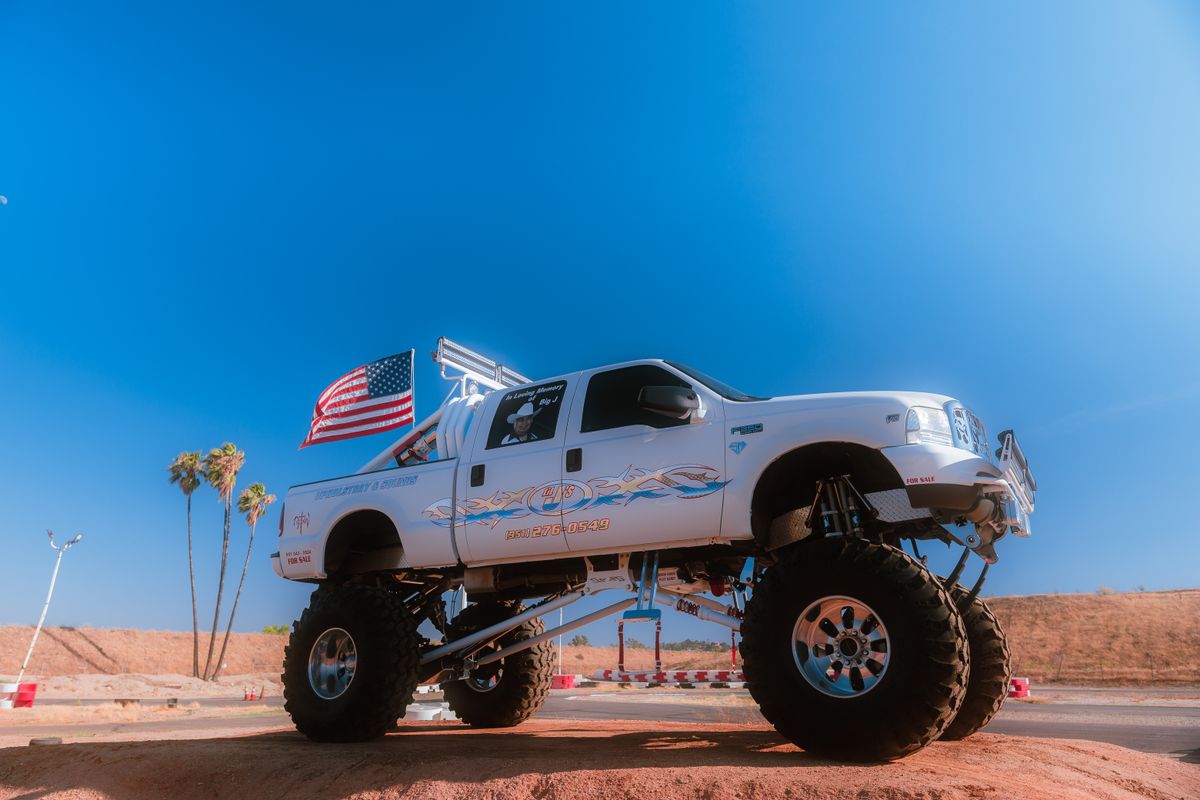
Lifted trucks have become more popular than ever. Whether you like the aggressive appearance, want larger tires, or enjoy off-roading on weekends, a lift kit can completely transform the look and capability of your truck.
But if your truck is also your daily driver, is lifting it really the best decision?
The answer depends on how you use your vehicle.
At Eagle's Auto Repair, we've worked on everything from stock work trucks to heavily modified off-road builds. While a lift kit can offer real benefits, it's important to understand the trade-offs before making the investment.
Let's take a look at the advantages and disadvantages of lifting a daily-driven truck.
Why People Lift Their Trucks
There are several reasons truck owners choose to install lift kits.
Some want a more aggressive appearance. Others want to fit larger tires. Many enjoy off-roading and need additional ground clearance.
Common reasons include:
- Better off-road capability
- Larger tire clearance
- Improved approach and departure angles
- Increased ground clearance
- More commanding driving position
- Personal style
For many owners, it's simply about building the truck they've always wanted.
The Benefits of Lifting Your Daily Driver
A quality lift kit offers several advantages beyond appearance.
Better Visibility
Sitting higher gives many drivers a better view of the road ahead, making it easier to see traffic and obstacles.
Increased Ground Clearance
If you regularly travel on dirt roads, ranch property, construction sites, mountain trails, or camping areas, additional clearance can help protect the underside of your truck.
Room for Larger Tires
Lift kits create space for larger tires that provide:
- Improved off-road traction
- Better obstacle clearance
- More aggressive styling
Larger tires can also improve performance on loose surfaces like dirt, sand, and gravel.
Improved Off-Road Capability
For drivers who enjoy exploring California's mountains, deserts, and backroads, a properly designed lift kit can significantly improve off-road performance.
The Downsides of a Lifted Daily Driver
Like every modification, lifting your truck involves compromises.
Reduced Fuel Economy
Larger tires weigh more. Lifted trucks create more wind resistance.
Together, these changes often reduce fuel economy.
Higher Maintenance Costs
A lifted truck may require additional maintenance over time.
Suspension components such as ball joints, tie rods, wheel bearings, and steering components can experience additional stress depending on the lift height and driving conditions.
Quality parts and professional installation help minimize these issues.
Different Handling
A higher center of gravity changes the way your truck handles.
You may notice:
- Increased body roll
- Different cornering characteristics
- Longer braking distances
- Greater sensitivity to crosswinds
These changes aren't necessarily dangerous—but they are important to understand.
Harder to Get In and Out
A six-inch lift may look impressive...
Until you're climbing into it several times a day.
Passengers, children, and older family members may find entering a lifted truck more challenging without running boards or side steps.
What About Towing?
Many truck owners wonder if lifting affects towing.
The answer is yes—it can.
A lift changes suspension geometry and may affect:
- Trailer stability
- Weight distribution
- Hitch height
- Steering response
If you regularly tow heavy trailers, discuss your towing needs before choosing a lift kit.
Some suspension systems are better suited for towing than others.
Does a Lift Kit Void My Warranty?
This is one of the biggest myths in the truck community.
Installing a lift kit does not automatically void your entire vehicle warranty.
However, if a suspension modification directly causes a component to fail, that specific repair may not be covered.
For example: if oversized tires contribute to premature suspension wear, the manufacturer may deny warranty coverage for those affected parts.
Choosing quality components and professional installation helps reduce the risk of future issues.
Choose the Right Lift for Your Lifestyle
Not every truck needs a six-inch lift.
Ask yourself:
- How much off-roading do I actually do?
- Is this my only vehicle?
- Do I tow regularly?
- How important is fuel economy?
- Will I be driving long highway commutes?
Many drivers discover that a modest 2- or 3-inch lift provides the appearance they want while maintaining excellent ride quality and everyday drivability.
Bigger isn't always better.
Professional Installation Matters
A lift kit is much more than simply raising your truck.
Proper installation includes:
- Suspension inspection
- Steering corrections
- Wheel alignment
- Brake line inspection
- Tire clearance verification
- Torque checks
Poor installation often leads to:
- Uneven tire wear
- Steering problems
- Suspension noise
- Vibration
- Reduced handling
Quality workmanship makes all the difference.
So — Should You Lift Your Daily Driver?
For many truck owners... absolutely.
If you enjoy the look, occasionally explore off-road trails, and understand the maintenance requirements, a quality lift kit can be an excellent upgrade.
However, if your priorities are maximum fuel economy, easy parking, smooth highway commuting, and minimal maintenance, a stock suspension or small leveling kit may be the better choice.
There's no right or wrong answer.
The best setup is the one that fits your lifestyle.
Trust Eagle's Auto Repair With Your Truck Upgrades
Whether you're considering a leveling kit, suspension lift, larger tires, or simply want honest advice before modifying your truck, Eagle's Auto Repair is here to help.
We believe truck modifications should improve performance, reliability, and safety—not create unnecessary problems. That's why we take the time to understand how you use your vehicle before recommending suspension upgrades.
Since 2011, we've proudly served Porterville and the surrounding communities with professional suspension work, wheel alignments, truck maintenance, and honest automotive advice. Our goal is to help you build a truck you'll enjoy driving every day.
If you're thinking about lifting your truck, stop by Eagle's Auto Repair. We'll help you choose the right suspension system for your budget, your driving habits, and your long-term goals.
Frequently Asked Questions
Is lifting a daily driver worth it?
For many truck owners, yes. If you enjoy the appearance and occasionally drive off-road, a quality lift kit can be a great investment. Just be aware of the trade-offs in fuel economy and handling.
Does a lift kit reduce gas mileage?
Usually. Larger tires and increased ride height often reduce fuel economy due to additional weight and aerodynamic drag.
Will a lifted truck require more maintenance?
It can. Suspension and steering components may experience additional wear, especially with larger tires or aggressive driving. Proper installation and routine maintenance help minimize issues.
Can I still tow with a lifted truck?
Yes, but towing characteristics may change depending on the lift height and suspension setup. Make sure your hitch height and towing equipment are properly matched.
What's the best lift height for a daily driver?
For most drivers, a 2- to 3-inch lift offers an excellent balance of appearance, capability, ride quality, and everyday practicality without dramatically changing how the truck drives.
Thinking about lifting your truck?
Stop by Eagle's Auto Repair — we'll help you choose the right suspension for your lifestyle.
📞 Call (559) 854-7087