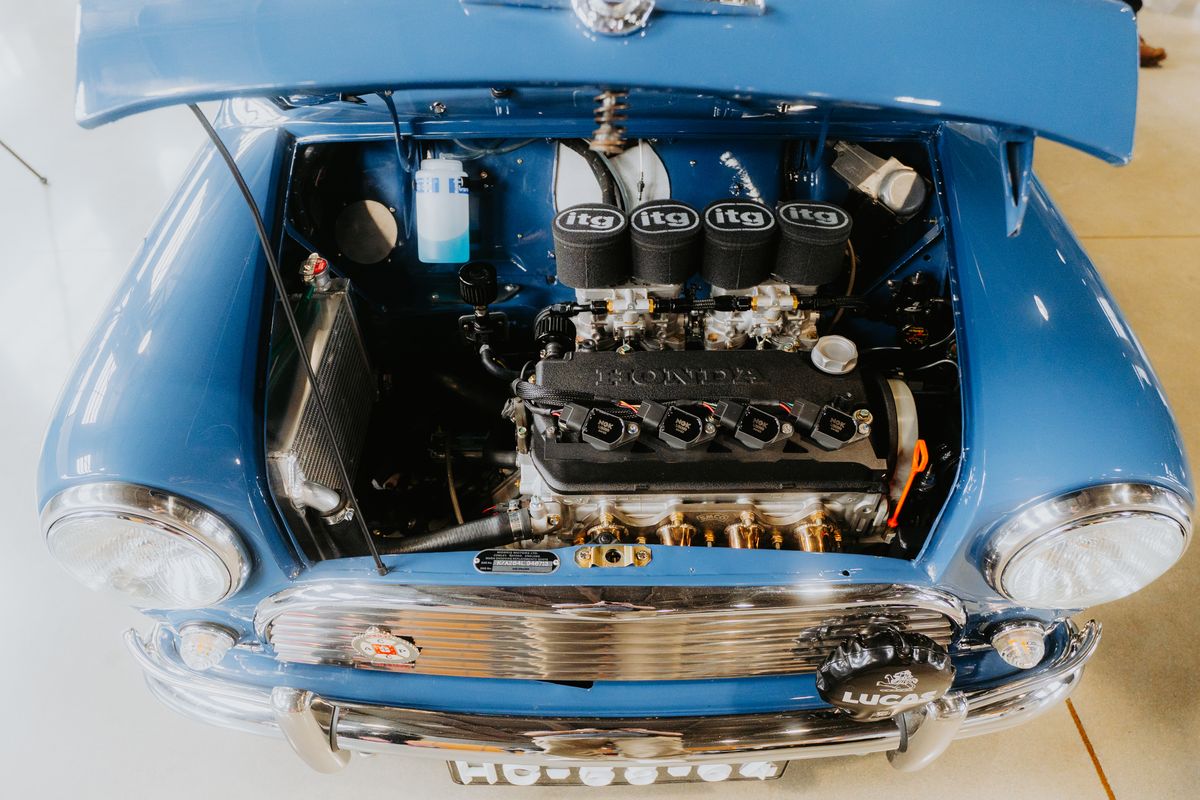
You've probably heard a mechanic mention "engine timing" or maybe you've seen a warning online about a "timing belt" or "timing chain." For many drivers, it sounds like complicated automotive jargon.
The truth is, engine timing is one of the most important functions in your vehicle. When it's working correctly, your engine runs smoothly, efficiently, and reliably. When it's not, the results can range from poor performance to complete engine failure.
At Eagle's Auto Repair, we often explain engine timing to customers because understanding this critical system can help you avoid expensive repairs and keep your vehicle running for years to come.
Let's break it down in simple terms.
What Is Engine Timing, Exactly?
Your engine contains dozens of moving parts that must work together with incredible precision.
The pistons move up and down. The valves open and close. The spark plugs ignite the air-fuel mixture.
All of this has to happen at exactly the right moment—thousands of times every minute.
That precise coordination is called engine timing.
Think of your engine like an orchestra. Every musician must play their part at exactly the right time. If one instrument is out of sync, the entire performance suffers.
Your engine works the same way.
What Controls Engine Timing?
Most modern engines use either a timing belt or a timing chain.
Both serve the same purpose: they connect the crankshaft to the camshaft(s), ensuring the valves open and close in perfect synchronization with the pistons.
While they perform the same job, they're built differently.
Timing Belt
A timing belt is made from reinforced rubber.
It's quiet, lightweight, and designed to last many years—but it eventually wears out and must be replaced as part of scheduled maintenance.
Timing Chain
A timing chain is made of metal, similar to a bicycle chain.
Timing chains generally last longer than belts but can still wear over time, especially if oil changes have been neglected.
Neither system lasts forever.
Why Is Engine Timing So Important?
If engine timing becomes inaccurate, your engine can't operate efficiently.
You may notice:
- Reduced power
- Poor fuel economy
- Rough idle
- Hard starting
- Check Engine Light
- Engine misfires
In severe cases, incorrect timing can allow the pistons and valves to collide inside the engine.
This can cause catastrophic engine damage requiring thousands of dollars in repairs.
Timing Belt vs. Timing Chain
Many people ask which one is better.
The answer depends on the vehicle.
Timing Belt Advantages
- Quieter operation
- Lightweight
- Lower manufacturing cost
However, timing belts require periodic replacement according to the manufacturer's maintenance schedule.
Timing Chain Advantages
- Typically lasts longer
- Very durable
- Usually requires less scheduled maintenance
However, worn timing chains can become noisy and expensive to replace if neglected.
The important thing is understanding which system your vehicle uses and maintaining it properly.
What Happens If a Timing Belt Breaks?
This depends on the engine design.
Many modern vehicles use what's called an interference engine.
In these engines, the pistons and valves occupy the same space—but at different times.
If the timing belt breaks, synchronization is lost instantly.
The pistons can strike the valves, causing damage such as:
- Bent valves
- Damaged pistons
- Broken camshafts
- Cylinder head damage
Repairs can easily cost several thousand dollars.
Replacing a timing belt before it fails is much less expensive than replacing an engine.
Signs Your Timing System May Have a Problem
Although timing components often wear gradually, warning signs may include:
- Rattling noise from the engine
- Rough idle
- Engine misfires
- Poor acceleration
- Difficulty starting
- Check Engine Light
- Engine running unusually rough
These symptoms don't always indicate a timing issue, but they should be inspected by a qualified technician.
When Should a Timing Belt Be Replaced?
Every manufacturer recommends different replacement intervals.
Some timing belts should be replaced around:
- 60,000 miles
- 90,000 miles
- 100,000 miles
- 120,000 miles
The exact interval depends on your specific vehicle.
Ignoring a scheduled timing belt replacement is one of the riskiest maintenance decisions a driver can make.
Can Regular Oil Changes Affect Timing Chains?
Absolutely.
Timing chains rely on clean engine oil for lubrication.
Skipping oil changes allows contaminants to build up, increasing wear on:
- Timing chain
- Chain guides
- Tensioners
- Variable valve timing components
Regular oil changes are one of the best ways to extend the life of a timing chain.
Don't Wait for Symptoms
One of the biggest mistakes drivers make is waiting until something feels wrong.
Unfortunately, timing belts often fail without much warning.
If your vehicle has reached the manufacturer's recommended replacement interval, replacing the timing belt proactively is far less expensive than dealing with a broken engine.
Preventive maintenance almost always wins.
Trust Eagle's Auto Repair for Timing Belt and Engine Service
Engine timing is one of the most critical systems in your vehicle, and it's not something to ignore.
At Eagle's Auto Repair, we help customers understand their manufacturer's maintenance schedule and recommend timing belt or timing chain service when it's truly needed. We believe in honest advice, quality workmanship, and helping our customers avoid expensive engine repairs before they happen.
Since 2011, we've proudly served Porterville and the surrounding communities with professional diagnostics, engine repair, routine maintenance, and dependable customer service. Whether you have questions about a timing belt replacement or you're experiencing engine performance issues, our experienced technicians are here to help.
If you're unsure whether your vehicle has a timing belt or timing chain—or if you're approaching your recommended service interval—stop by Eagle's Auto Repair. We'll help you protect one of the most important parts of your engine.
Frequently Asked Questions
What is engine timing?
Engine timing is the precise coordination between your engine's pistons, valves, and spark plugs. Proper timing allows the engine to run efficiently and safely.
What's the difference between a timing belt and a timing chain?
A timing belt is made of reinforced rubber and requires scheduled replacement. A timing chain is made of metal, typically lasts longer, and relies on clean engine oil for lubrication.
What happens if a timing belt breaks?
On many modern engines, a broken timing belt can allow the pistons and valves to collide, causing severe engine damage that may require extensive repairs or even engine replacement.
How do I know if my timing belt needs replacing?
Follow the maintenance schedule in your owner's manual. Many timing belts are replaced between 60,000 and 120,000 miles, depending on the vehicle.
Can poor maintenance damage a timing chain?
Yes. Neglecting regular oil changes can accelerate wear on timing chains, chain guides, and tensioners, leading to costly repairs over time.
Approaching your timing belt interval?
Stop by Eagle's Auto Repair before a small service becomes a big engine repair.
📞 Call (559) 854-7087